Drought Has 'Burned' Germany's Harvest: Losses Reach 600 Million Euros
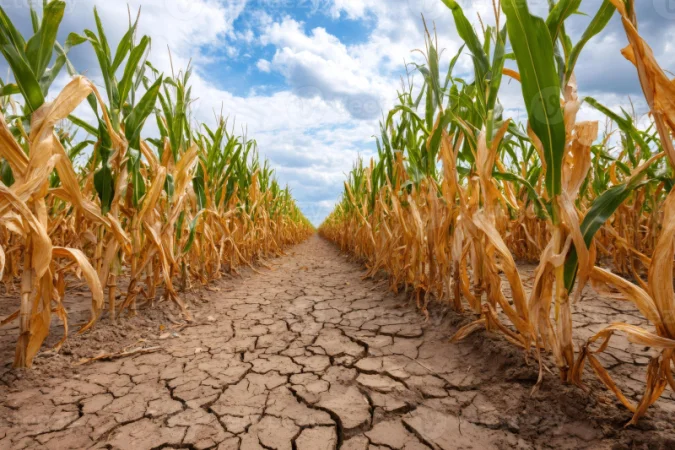
Persistent drought in Germany has caused significant damage to grain and vegetable crops, leading to a decrease in yield; however, it will be sufficient to meet domestic needs.
Due to the ongoing dry weather conditions, a large portion of Germany has seen severe damage to its vegetable and grain fields. According to the German Raiffeisen Union, approximately 3 million tons of grain and vegetables have already been lost due to the dry conditions that began in mid-June.
The resulting situation has led to an estimated loss in revenue for agricultural producers of around 600 million euros. The Union predicts that around 40.6 million tons of grain will be harvested this year, which is about 10% lower than last year's figure of 45 million tons.
Guido Sedler, a grain market expert at the German Raiffeisen Union, noted that overall, the harvest, despite the losses, will remain sufficient, although it will be below average. He added that favorable weather conditions in the spring helped prevent more serious damage.
At the same time, immediate losses recorded just before the harvest have dealt a serious blow to German farmers, who are already facing rising production costs. The current price of wheat stands at around 220 euros per ton, slightly above last year's level.
The Union does not expect the reduction in the harvest to lead to a noticeable increase in the prices of bread and bakery goods. According to Sedler, the value of grain accounts for only a small part of the final price of such products, while energy costs, wages, and compliance with administrative requirements have a much greater impact.
Additionally, low water levels in Germany's rivers may pose an extra challenge for the agricultural sector, complicating navigation. Grain is also transported via internal waterways, so logistics disruptions could affect the transport of crops, feed supplies, and fertilizer deliveries. However, the industry association estimates that there will not be a shortage of storage capacity after the harvest.
Նմանատիպ հոդվածներ

Tomato Yields in Armenia Expected to Reach Up to 41 Tons per Hectare
According to specialized agrometeorological calculations and an analysis of observed weather conditions, it is forecaste...

Armenia Allocated Additional Quota for Importing 5,000 Electric Cars Duty-Free
According to a decision by the Eurasian Economic Council, Armenia has been allocated an additional quota of 5,000 electr...
Activity of the Bread Production Workshop at 'Ziranche' Supermarket Suspended
The food safety inspection body has suspended the activity of the bread and pastry production workshop at the 'Ziranche'...

Armenia Aims to Boost Agricultural Productivity: Papoyan at EAEU Meeting
The Minister of Economy of Armenia, Gevorg Papoyan, has informed about his participation in the seventh meeting of the E...
Ավելին Economy բաժնից

Kazbegi Checkpoint Closed: People and Vehicles Evacuated to Safety
Armenia Aims to Boost Agricultural Productivity: Papoyan at EAEU Meeting

800 Billion Rubles at Stake: Huge Losses of Wildberries Calculated