Putin-Pashinyan Meeting Exposes Fundamental Contradictions: Surenyants
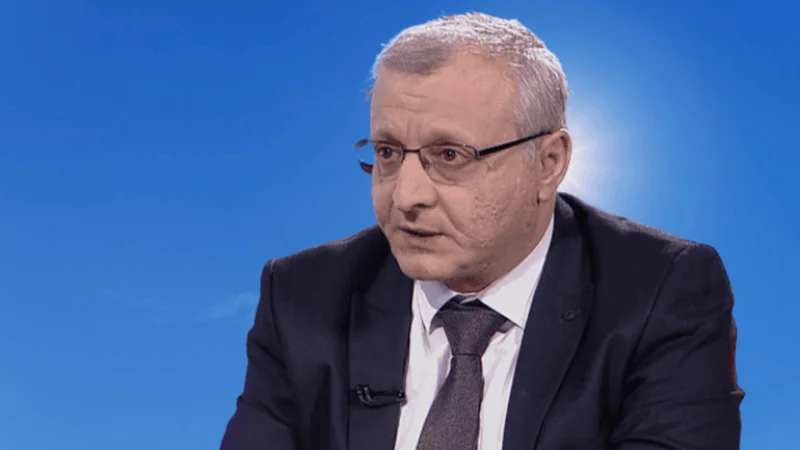
The end of the alliance model: What did the Putin-Pashinyan meeting reveal, wrote political scientist Suren Surenyants.
“Despite having provided a detailed analysis of the Putin-Pashinyan meeting in a comprehensive interview with 168TV yesterday, I feel it is necessary to highlight a few additional observations.
- The meeting yesterday indicated that the sides did not resolve the existing contradictions but rather agreed to continue managing them. From April 1 to September 1, no substantive turnaround occurred; it felt as if we were witnessing a continuation of the previous meeting with the same issues, but now articulated more openly and firmly.
- No rapprochement on fundamental issues was recorded. On the contrary, the disagreement regarding the EU-EAEU choice became clearer and more public. Putin effectively qualified the law initiating Armenia's EU membership process as a declaration of leaving the EAEU and demanded a timely orientation. Pashinyan countered that no notification about withdrawal had been sent, there is no mechanism for exiting the EAEU, and the moment for choice has not yet arrived. This is an institutionalization of discord.
- For Pashinyan, the invitation from Moscow is merely a tactical gain. After the meeting, he presented the continuation of “an honest and constructive conversation” in Moscow as the main result, classifying the meeting as “very good.” Putin, on his part, clarified that specific issues must be discussed point by point with experts in Moscow. The term “very good meeting” in this context is merely a political cover.
- In the next round of negotiations, the issue of Armenia's railway could become crucial. Putin directly linked potential investments to the volume of freight transport and economic viability. The question is directly related to the unblocking of regional communications and the TRIPP project.
- So far, there is no basis to suggest that Moscow is ready to reconsider the economic restrictions applied to Armenia in recent months following Bishkek. Pashinyan also gave no signal that Yerevan is prepared to review the change in the country’s strategic course.
- The meeting also demonstrated that the previous allied model of Armenian-Russian relations is essentially exhausted. Pashinyan had spoken about this days before, and yesterday, the Russian president publicly considered such prospects as well. Putin's statement that if Armenia does not need the Russian military base, Russia is ready to leave “even tomorrow” was particularly telling. This, of course, does not mean that the Russian military base will be removed from Armenia immediately; however, Putin's subsequent question, “But is Armenia ready for that?” indicates that the base topic is also a negotiating leverage at this stage. Moscow raises the potential cost of a possible break while simultaneously shifting the responsibility for the consequences onto Yerevan.
- Essentially, what took place in Bishkek was not a “reboot” of Armenian-Russian strategic relations, but rather another round of negotiations regarding their controllable dismantling or reconfiguration. And these are not the same thing. I am more inclined to talk about “reconfiguration,” which implies not an institutional break, but a “narrowing” of relations and significant transformation. Yerevan continues to change its strategic course, while Moscow is increasing the political and economic price of that change. At the same time, both sides are currently interested in keeping this contradiction from becoming an uncontrollable break,” he wrote.
Նմանատիպ հոդվածներ
New Program Developed by the Government of Armenia: Key Directions Revealed
According to Article 151 of the Constitution of the Republic of Armenia, following the formation of the Government, the...
Pashinyan Recognized Artsakh as Part of Azerbaijan: Putin
The situation surrounding Artsakh began to change after Armenian Prime Minister Nikol Pashinyan signed a relevant docume...
If Not Needed, We Will Leave Tomorrow: Putin on Gyumri Base
The future of the Russian military base located in Gyumri should be determined by the Armenian side. If Armenia conclude...
Germany Accuses Russia of Attempting Sabotage at Leipzig Airport
Germany has officially accused Russia of attempting sabotage at the Leipzig-Halle Airport. This was announced by Germany...
Ավելին Politics բաժնից
Yerevan Mayor's Press Secretary Resigns
Armenia Urged to Choose Between EU and EAEU, Says Overchuk

EU Countries Again Oppose New Visa Restrictions on Russia