When Will the Iran-Armenia-Georgia Energy Network Be Ready for Operation
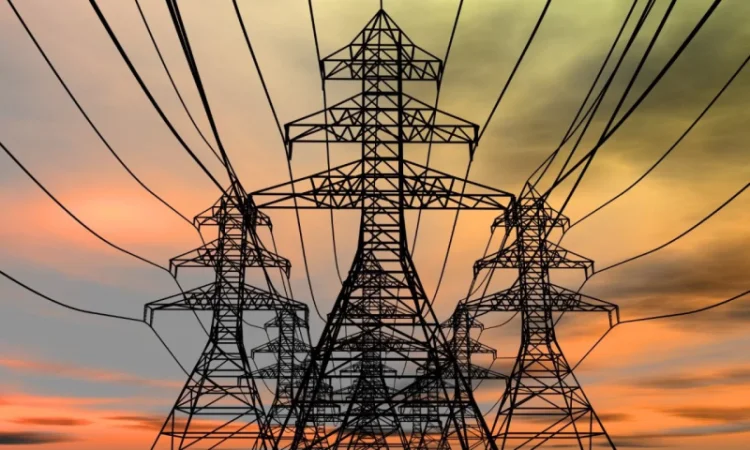
The comprehensive network consisting of high-voltage power transmission lines from Iran to Armenia and from Armenia to Georgia is expected to be ready for operation between 2031 and 2033. This was stated by Hovhannes Abrahamyan, head of the Regional Energy Markets Department of the Ministry of Territorial Administration and Infrastructures, in a conversation with Sputnik Armenia.
The discussion revolves around the formation of a significant energy infrastructure for Armenia. According to Abrahamyan, a 400 kV power transmission line and substation are being constructed towards Iran, as well as a similar infrastructure toward Georgia of the same capacity.
“We will have both lines ready for operation by 2031-33. That is to say, the complete Iran-Armenia and Armenia-Georgia network will be ready for operation as a unified network,” he said.
Abrahamyan assessed that the commissioning of this infrastructure would enable the current energy flows to increase at least several times.
“Why do I say flows? It will pertain to both imports and exports. The situation at that time will determine which option it will be,” he explained.
He noted that the direction of electricity flow at that moment would depend on the situational context.
Referring to the issue of when Armenia might face an electricity deficit due to rising consumption, including the development of the IT sector and the emergence of new large consumers, Abrahamyan stated that there is currently no such issue.
“As for the electricity deficit, such a thing does not exist. We are ensuring stable and uninterrupted electricity supplies for our consumers, and our entire policy is aimed at that,” Abrahamyan noted.
The Ministry representative expressed confusion over the sources of discussions regarding a potential energy deficit in Armenia. He added that exceptions are made for rare cases of extraordinary demand, which have also been discussed during sectoral discussions.
“Everything else is regulated as it should be. There is nothing to worry about at this moment,” he emphasized.
Abrahamyan also addressed the development of renewable energy in Armenia, noting that the country has had a developed hydroelectric system for many years, and solar energy capacities have significantly increased in recent years. According to the data presented by him, if in 2018 the capacity of solar energy was at several dozen megawatts, it has now reached about 1200 MW connected to the grid.
“We are trying to develop our renewable energy resources, be it solar or hydro, to the maximum extent possible, that is, as much as our system allows,” Abrahamyan stated.
He added that the pace of renewable energy development has reached a level where the technical capabilities of the system need to be adapted to the new capacities.
The official noted that Armenia also plans to develop wind energy, stating that this direction is included in the country's energy strategy. “We already have a project for constructing a wind power plant with the Asian Development Bank, which is currently in the design phase,” he said.
He also added that the development of industrial-scale wind power plants is linked to solving two important issues: regulating the problems arising from the integration of large volumes of solar plants into the energy system and having new interstate power transmission grids ready.
“After solving the issues caused by these solar plants, as well as after having these grids ready, we will consider the option of having industrial-scale wind power plants,” Abrahamyan detailed.
According to the representative, Armenia is currently utilizing its renewable energy potential even slightly beyond the volumes that the existing energy system can accommodate without additional solutions.
Abrahamyan also spoke about Armenia's potential participation in the planned energy cable project along the bottom of the Black Sea. He mentioned that Armenia has expressed its willingness and interest to participate in the project at a very preliminary stage. According to him, the Armenian side has also had certain involvement in the stages of information exchange and technical-economic studies.
“How the project will develop will also allow for any comments regarding Armenia's participation,” Abrahamyan stated.
He emphasized that at this stage, it is too early to say in what specific format and to what extent Armenia can engage in the project, especially considering the rapidly changing situation in the region. “The fact that we are interested and have shown our interest to our partners is a fact,” the official mentioned.
The project to lay a high-voltage electrical cable across the bottom of the Black Sea aims to connect the energy systems of Georgia and Romania for the purpose of transferring “green” electricity from the South Caucasus to Europe. The project is being implemented by Georgia, Azerbaijan, Romania, and Hungary, while Armenia has previously shown interest in participating in this endeavor.
Նմանատիպ հոդվածներ
Russia Threatens to Withdraw All Benefits and Privileges from Armenia
Russia will withdraw all benefits and "gifts" from Armenia if Yerevan decides to follow the rules of the West. Alexei Ch...
Zakhrova Sends Important Message About Armenian-Russian Relations
Young people can play an invaluable role in strengthening Armenian-Russian relations. This was stated by Maria Zakhrova,...
Baku Demands Immediate Actions from Russia; Ambassador Summoned to MFA
The Russian ambassador to Azerbaijan, Mikhail Evdokimov, has been summoned to the Ministry of Foreign Affairs. According...
Criminal Charges Filed Against 9 Individuals, Including Serzh Sargsyan and Late Prime Minister Andranik Margaryan
The Prosecutor's Office has initiated criminal proceedings against an additional 9 individuals, including Serzh Sargsyan...
Ավելին Politics բաժնից
Ovechuk: Pashinyan's Statement Lacks Connection to Reality
Prosecutor Claims Gagik Khachatryan is Faking Illness, Lawyer States
It's Hard, But We've Almost Reached Last Year's Levels: Papoyan on Export Volumes