Warning from the Ministry of Environment
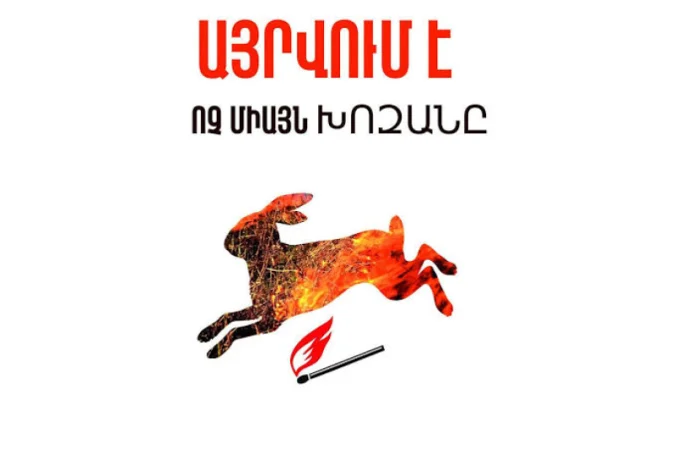
Do not burn brush, warns the Ministry of Environment. Often, people, unaware of the negative consequences, burn brush and plant debris before or after agricultural work, directly contributing to the destruction of vital components of the environment.
Fires can destroy natural habitats, including forests, individual ecosystems, grasslands, and wetlands. This leads to the loss of important shelters and breeding grounds for various plant and animal species.
Many species, particularly worms, insects, reptiles, small mammals, rodents, and small birds, do not have the ability to protect themselves or escape from fires. They, along with their nests, eggs, young, and so on, can perish due to fire or extreme heat, potentially leading to species extinction or declines in their populations.
Fires can disrupt the delicate balance of ecosystems and interfere with ecological processes such as nutrient cycling, food chain connections, and plant seed dispersal. Such disruption can affect the ability of species and ecosystems to recover.
Some fire-sensitive species may disappear, while fire-resistant species may become dominant. This can result in changes to species composition, disruption of delicate interconnections among them, and loss of biodiversity.
In some ecosystems, long periods are required to recover from fires, especially if the frequency and intensity of the fires exceed the ecosystems' restorative capacities. This prolonged recovery period can jeopardize the restoration of various plant and animal species and their populations.
Նմանատիպ հոդվածներ

Court Declares Vardan Oskanyan's Son Bankrupt and Imposes a Lien on His Property
The son of former Minister of Foreign Affairs and former parliament member Vardan Oskanyan has been declared bankrupt by...
Arthur Khachatryan: Let's not end up disappointed on Snoop Dogg's day, pay, and have him not perform
The ministry chronically underperforms in dam construction. This was stated by Arthur Khachatryan, a member of the 'Arme...

Blinken: We Are Against Any Unilateral Actions, Especially by Azerbaijan, That Escalate the Situation in Nagorno-Karabakh
The United States opposes any unilateral actions, especially by Azerbaijan, that only escalate the situation in Nagorno-...
Very Interesting Developments Are Occurring: Prime Minister
Armenian Prime Minister Nikol Pashinyan stated during a briefing that none of the three referenced forces will surpass t...
Ավելին Incidents բաժնից
Body of a Man Retrieved from Lake Sevan with a Stone Tied Around Neck
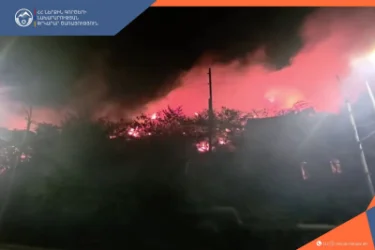
Large Fire in Yerevan: Firefighting Efforts Underway
Major Accident in Gegharkunik: 'Ford Transit' Overturned, 'Tesla' in Ravine; 11 Injured