New Temperature Records Set in Western Europe

Western Europe has recorded the hottest June and July in the history of observations. Climate change has led to an anomalous summer across the region, resulting in extreme heat, drought, and wildfires. This is supported by data from the Copernicus Climate Change Service.
Europe is the fastest warming continent in the world. The intense heat that began in May has led to numerous wildfires, prolonged droughts, and new temperature records in several countries. Predictions indicate that the number of deaths related to extreme heat could reach thousands.
Statistical data show that 2026 is currently ranked third in the world for heat levels, following 2024 and 2025. According to Copernicus, the average temperature in Western Europe during June and July was 21.62°C, surpassing the record set in the same period in 2022.
Scientists estimate that the likelihood of 2026 surpassing 2024 and becoming the hottest year on record, or at least approaching that level, is increasing. This may be attributed to the accelerated human-induced global warming and the influence of El Niño.
Copernicus data indicates that July recorded the highest average sea surface temperature for the month in non-polar oceans at 20.96°C, surpassing the previous record of 20.89°C set in 2023.
At the same time, the global average near-surface air temperature in July was 16.90°C, marking it as the second hottest July on record, tied with the levels recorded in 2024.
According to Samantha Burgess, head of the climate strategy at the European Centre for Medium-Range Weather Forecasts, stable high-pressure zones have trapped heat over Western Europe, while extreme temperatures have exacerbated drought conditions. As the soil dries out, the potential for natural cooling decreases, causing heat to accumulate more rapidly.
This illustrates how climate change is intensifying temperature extremes, with heat and drought frequently amplifying each other.
In the central region of Albania, the forest fire threatening residential areas in the city of Krujë is under control. Approximately 300 firefighters have battled the blaze, supported by three military helicopters. Albanian Prime Minister Edi Rama has reported that no residents were harmed, though one warehouse has been burned.
In southern Spain's Huelva province, however, the fire continues to spread. Authorities have evacuated around 470 residents, and the fire has engulfed nearly 4,000 hectares. More than 500 firefighters, including 60 military personnel from emergency units, are involved in firefighting efforts, supported by about 20 aircraft.
This summer has been particularly harsh in Spain regarding wildfires, as thousands have already been evacuated due to outbreaks in various regions.
Նմանատիպ հոդվածներ

Traffic Reorganization on Nalbandyan Street
In order to improve the accessibility of transportation flows in the capital, a change in traffic organization will be i...

VIDEO: We Demand that Our Boys Serve for 1.5 Years - Protest Rally Near the Government
A protest rally was held near the government, where participants demanded that all young men serve in the military for 1...
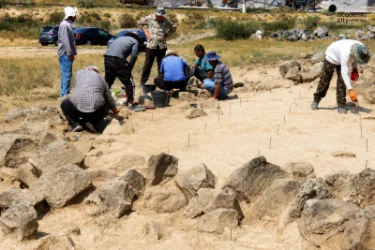
Ancient Complex with Approximately 34 Stone Rooms Discovered in Yerevan's Silikian District
The Research Center for Cultural Heritage's expedition team (led by Hakob Simonyan) has uncovered an architectural compl...
Ավելին Society բաժնից

Armenian Passport in Global Ranking: Where Neighboring Countries Stand

Video: Man Arrested on Suspicion of Stealing Money from Post Office

Issues Recorded in the First Months of Health Insurance Discussed