Pangasius Fish to Undergo Laboratory Testing, Reports AATC
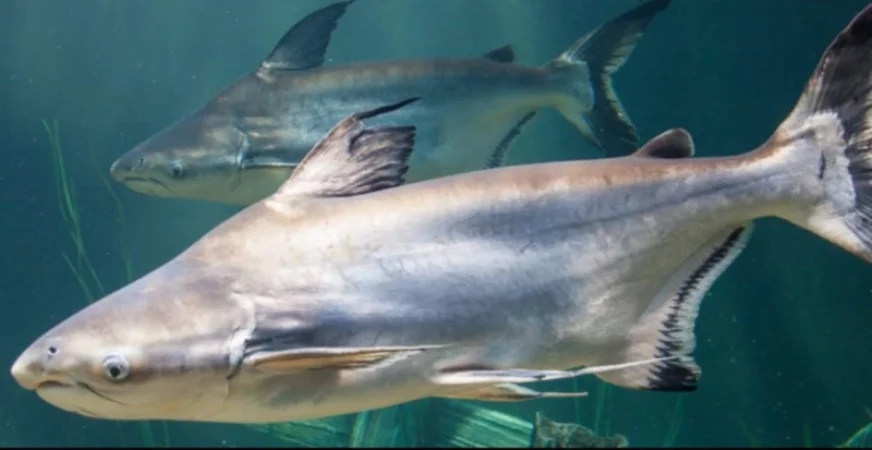
Armenia has begun importing pangasius fish, a species known for its potential dangers. Agricultural expert Harutyun Mnatsakanyan raised concerns on his Facebook page.
"Considered one of the most dangerous fish species globally, pangasius is mainly farmed in Southeast Asia, and its import is banned in most European and American countries. This fish is primarily farmed in Vietnam's Mekong River, notorious for its unacceptable contamination levels (the river is polluted with industrial waste, sewage, garbage, and more). In addition to river pollution, these fish are fed various hormones and antibiotics," the post states.
Babken Pipoyan, head of the NGO “Informed and Protected Consumer,” told Radar Armenia that while pangasius is categorized as a high-risk product, not all pangasius fish are dangerous: "It’s not that all pangasius are dangerous or that the risks are the same. In some cases, the product may have hormone-related issues, in others, there may be antibiotic residues, while in some instances, there could simply be microbiological problems. Yes, there can be cases where pangasius does not pose a safety issue. It is not impossible to find safe pangasius anywhere in Europe. Therefore, it is necessary to avoid assumptions and follow the principle of caution: as long as safety is not proven, we should refrain from consumption and consider it a potentially dangerous product. For example, if there are microbiological issues, it could lead to gastrointestinal disorders; if there are hormone-related issues, it may be something else. If there are metal-related issues, it could be carcinogenic," Pipoyan said.
According to him, the goal is not to create panic but to provide balanced information: "People should know to be careful, and we urge the government to take effective measures. When people are not convinced of the safety, they simply refuse to consume that product. Previously, when it was banned, there were no legal prohibitions, just stricter supervision. Every batch that arrived with identified problems was not allowed to enter the market, or vendors knew that it would be discovered during inspections and refrained from importing it," Pipoyan elaborated.
He emphasized the importance that the products should not easily reach Armenian consumers without proper documentation, for which the food safety inspection body is responsible. The AATC has responded to the alert, informing the media: "Oversight will be implemented in the sales network, and the fish will undergo laboratory testing. If deviations are found, sales will be suspended, and the batch will be recalled from the sales network. Additionally, traceability will be monitored at the importer level," stated spokesperson Anush Harutyunyan.
Նմանատիպ հոդվածներ

Devices to Be Installed on Police Vehicles' Roofs, Says Interior Minister
At the national level, there is a perception problem, as many consider using a phone while driving to be a minor issue....
Details on the Death of a Border Guard Soldier
On April 25, 2023, a conscript soldier identified as A.A. from a unit of the Republic of Armenia's National Security Ser...

Residents of Kasakh and Proshyan Communities Block Road
This morning, on April 22, residents of the Proshyan and Kasakh communities in the Kotayk region have blocked the main r...

US Embassy in Armenia Issues Warning
If you stay beyond the period specified by your visa, you may face a permanent ban on entering the United States. This w...
Ավելին Society բաժնից

NASA and ESO Confirm Falcon 9 Upper Stage Crash on Moon Surface

VIDEO: This Trial is Failed – Ishkhanyan from Baku Prison

The Supreme Patriarch and Bishops to Attend First Court Hearing