Scammers in Yerevan Steal Personal Data Through Deception and Profit
Hetq.am reports. Max Baucum, a veteran who served in Vietnam, is living in Texas, USA. After returning home, he retired. One morning, Max turns on his computer, and a window appears on the screen stating: “Your computer is locked because it is infected with a virus or spyware that wants to steal your Facebook password, bank information, and email addresses. Call Windows Technical Support at the following number: 661 888 40822. If you ignore this warning and close the page without solving the problem, your computer will be disabled to prevent harm to our network.” Max calls the indicated American toll-free number.
However, his call is answered in a business center on the 4th floor at 73/1 Nairi Zarian Street in Yerevan. The call is answered by an Indian national, Gurdeep Singh, who introduces himself as Gary Daniels. At the beginning of the conversation, Gary claims to be an employee of Microsoft Windows online technical support, located in Denver, Colorado. He warns Max that his computer has been seriously compromised and that some individuals are trying to steal his virtual identity—his Facebook password, bank details, and more. However, Gary assures Max that he will help him resolve the issue if he allows him to access his computer online. Gary enters the computer and makes certain software modifications.
Additionally, during the hour-and-a-half conversation, he manages to convince Max to pay $450 for some security software that will “protect” his computer from similar viruses for one year. At first, Max hesitates, mentioning that he has limited financial means, but later agrees to pay, feeling indebted to Gary for his hour-long efforts to fix the computer. Taking advantage of the opportunity, Gary asks for Max's Social Security Number, bank card number, expiration date, security code, and address. Obtaining such personal information about a person by others is considered identity theft under American law, which has become one of the most common cybercrimes worldwide. Cybercrimes are acts committed through computing devices. The most common types include computer hacking, online scams, attacks on computer systems, personal data theft, and the distribution of illegal or prohibited information. “Personal data thieves can use your number and good credit history to apply for new loans in your name. They then use the credit cards and do not pay the bills. You only find out that your number is being used by someone else when you are denied a loan or receive calls from unknown lenders demanding payment for goods or services that you never purchased,” states the U.S. agency that issues Social Security cards. There are thousands of internet domains created by cybercriminals that contain fake warning messages claiming that a highly dangerous virus is present on your computer, and you need to call the specified number to remove it. This page may appear on a person's computer when they mistakenly click a link or use untrustworthy websites. Those who believe such messages and call the specified number become targets of cybercriminals. Most of them are retirees or middle-aged individuals who are not familiar with computer scams.
For more details, visit Hetq.am.
Նմանատիպ հոդվածներ
VIDEO: 16-Year-Old Boy Arrested While Transferring Drugs
According to information received by the Vagharshapat division of the police regarding illegal drug trafficking, a 32-ye...

Video: Pickpocket Apprehended on Mashots Avenue
On April 29, officers from the 6th division of the criminal investigation department of the Yerevan police received oper...

Young Man Throws Grenade at His Mother's Husband's Feet in Yerevan
The military prosecutor's office of Yerevan has sent the case of a brutal murder that occurred in Yerevan last April to...
Mayor Calls for Removal of New Trash Bins Near Wealthy Homes
The Mayor of Yerevan, Hayk Marutyan, addressed the issue of urban cleanliness during a consultation at the city hall tod...
Ավելին Incidents բաժնից

Economic Losses in the EU Due to Heat Might Reach €180 Billion

Glaciers in the Caucasus Are Shrinking, Levon Azizyan
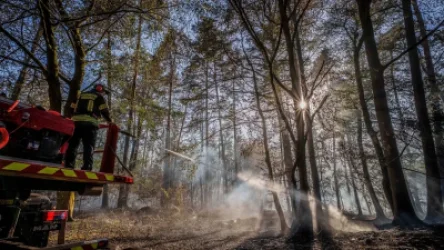
Major Forest Fire Suppression Efforts Continue in Western Germany